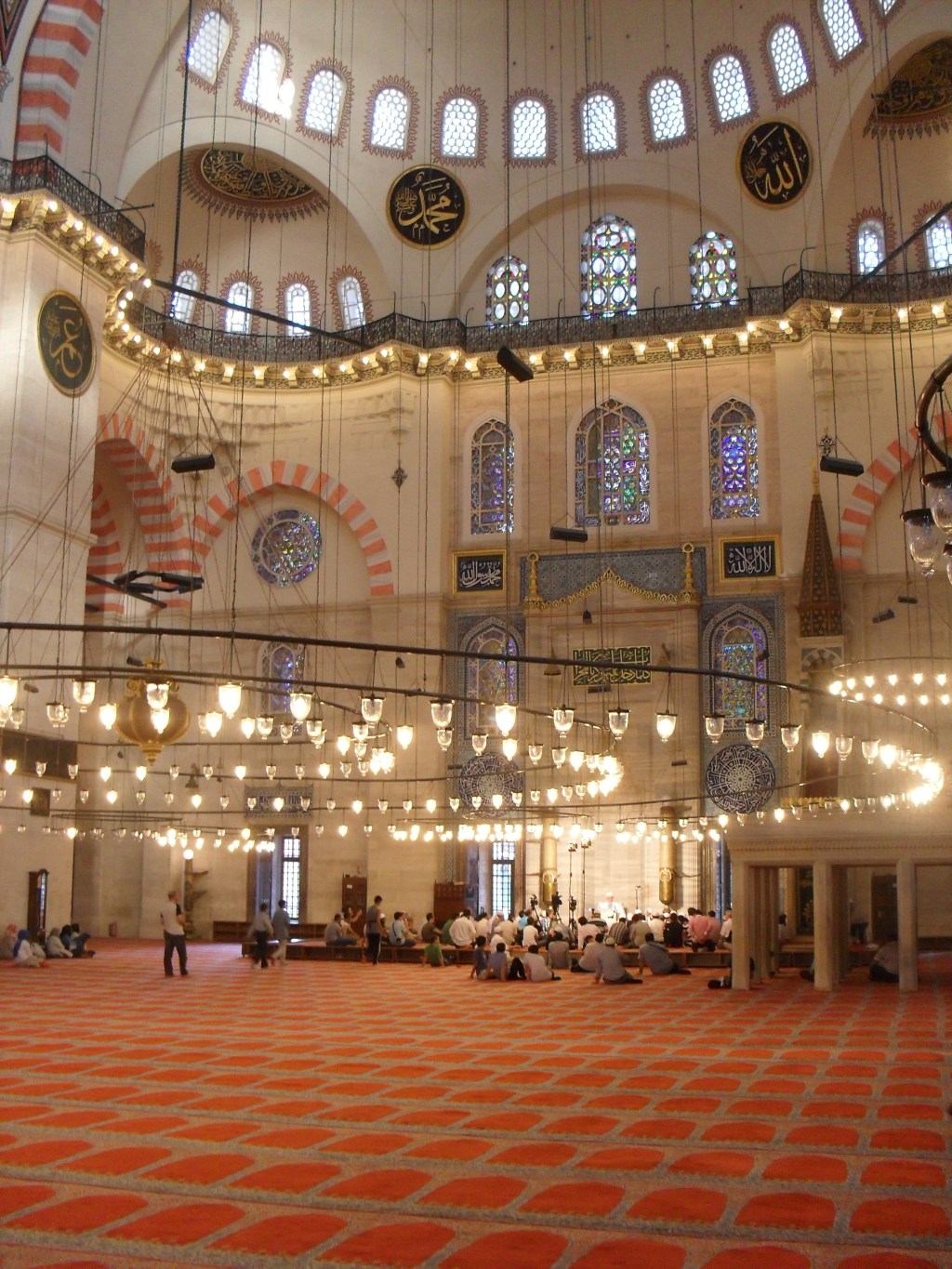
Across Turkey, antiquities are increasingly subject to surveillance, documentation, and legal control. In Istanbul, the Süleymaniye Mosque has introduced security cameras and expanded its guard staff in response to concerns over theft. Manuscripts and architectural elements—previously unregistered Qurʾans and wall tiles in particular—have now been formally inventoried and archived. Beyond monumental sites, Turkish authorities have intensified efforts to intercept illicit trafficking before objects leave the country. In one widely reported case, police stopped two men during a routine identity check between Ankara and Kayseri and discovered a third-century BCE statue of Aphrodite concealed in the trunk of their car. Officially missing for years, the statue was in the process of being smuggled abroad.
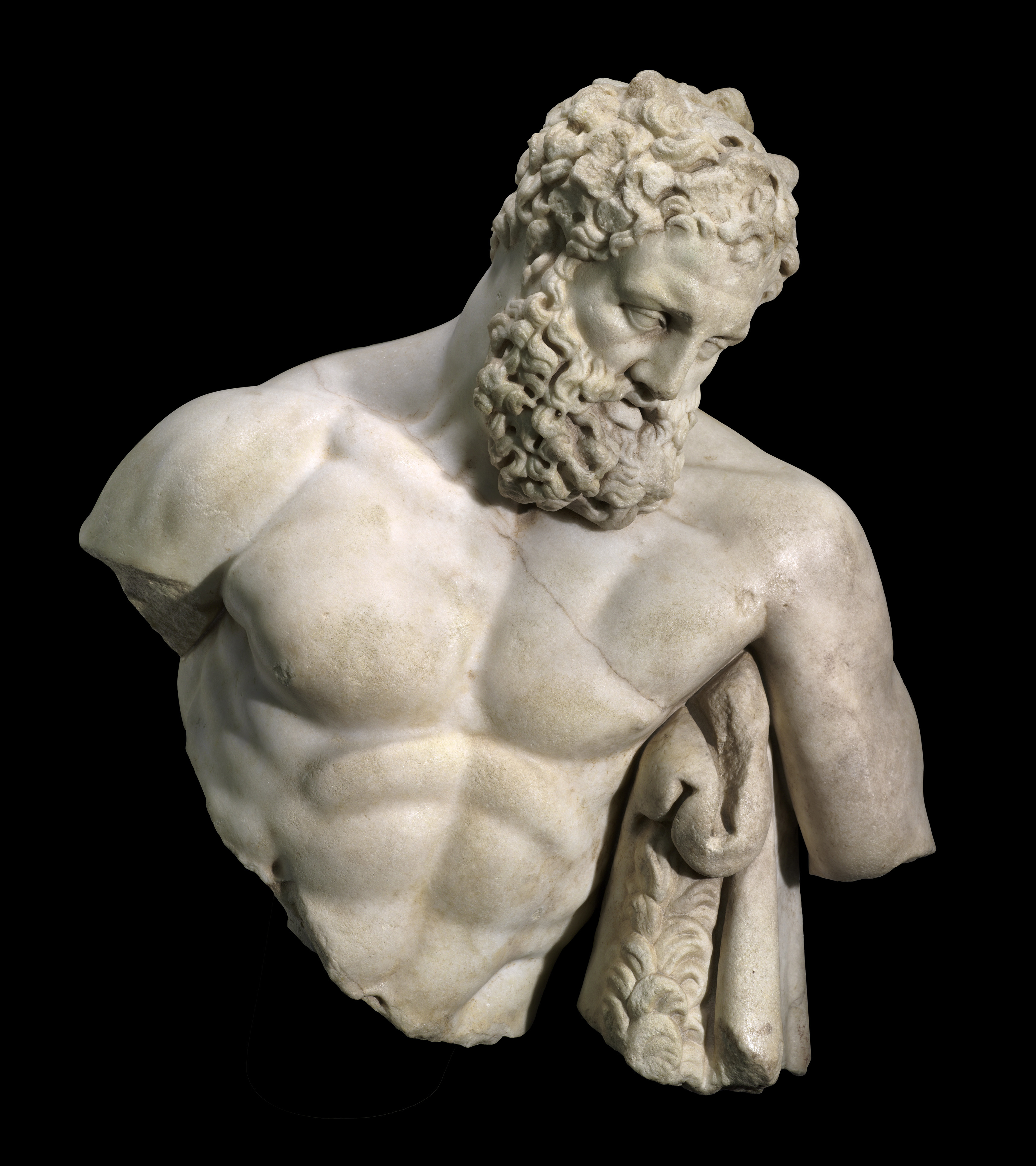
Preventive measures are matched by sustained attempts to recover artifacts removed from Anatolia in earlier decades. One of the most prominent cases concerns the Roman statue known as the Weary Herakles. Its upper portion, held by the Museum of Fine Arts in Boston since 1982, was finally returned and reunited with its lower half in Antalya after more than twenty years of legal dispute. Looted near Perge in the early 1980s, the statue will now be displayed in its restored integrity. A similar trajectory characterizes the case of the Hattuşa Sphinx. Removed to Berlin in 1917 and housed in the Pergamon Museum under the pretext of restoration, the monumental sculpture—once part of a gate at the Hittite capital—was returned to Turkey under tight security arrangements and is now exhibited alongside its counterpart at its site of origin.
Another landmark episode in the history of repatriation involved the so-called Lydian Treasure. Following a prolonged legal battle, the Metropolitan Museum of Art agreed in 1993 to return the collection of objects illicitly excavated in western Anatolia. Professor Crawford H. Greenewalt, whose death earlier this year marked a significant loss to the field, played a central role in the negotiations that enabled the treasure’s safe return. Today, the objects are displayed in the Uşak Museum and the Museum of Anatolian Civilizations in Ankara. As Luke and Roosevelt have argued, this case marked a turning point: it demonstrated that even the most powerful Western museums could be held accountable for acquisitions with demonstrably illegal provenance.
In order to accelerate restitution, Turkey’s Ministry of Culture and Tourism has at times adopted more coercive strategies. Loans have been withheld from institutions holding disputed artifacts, and foreign excavation teams have faced the prospect of suspended permits. The Deutsches Archäologisches Institut in Istanbul, for example, reportedly feared non-renewal of certain excavation licenses during the unresolved phase of the Hattuşa dispute. Such measures have occasionally been described as a form of “archaeological blackmail.” Yet to assess their significance fully, the contemporary circulation of these objects must be situated within the political and imperial contexts in which they were originally excavated, removed, and displayed.
The exhibition Scramble for the Past: A Story of Archaeology in the Ottoman Empire, 1753–1914 offers one such historical framing. Presented in Istanbul, it juxtaposes the accounts of Ottoman and European explorers with objects excavated across present-day Turkey, Iraq, Syria, Lebanon, and Egypt during the nineteenth century. By tracing the emergence of archaeology in Ottoman territories, the exhibition explicitly links the acquisition of antiquities to the imperial ambitions of both Western and Ottoman powers. Essays expanding on these themes have since been published in book form.
Although the principal actors have changed, struggles over the ownership of antiquities persist. The returns of the Hattuşa Sphinx, the Lydian Treasure, and the Weary Herakles are widely celebrated within Turkey as symbolic and diplomatic victories. Beyond their political significance, however, repatriated objects also represent economic potential. Each return is accompanied by substantial publicity, reinforcing narratives of cultural recovery while simultaneously promoting tourism.
Today, Turkey hosts several internationally recognized museums and attracts an expanding number of visitors each year. With plans announced for a major new museum in Ankara to mark the Republic’s centenary, repatriation efforts are set to continue. Institutions such as the Getty Museum have faced pressure to relinquish objects acquired through dealers and collectors, while the British Museum and the Victoria and Albert Museum have been asked to return artifacts removed from Anatolia in the early twentieth century. In a comparatively strong economic and diplomatic position, Turkey now exercises a degree of authority over its cultural heritage that would have been unthinkable a century—or even a few decades—ago. Whether this constitutes a new form of archaeological coercion, or rather a belated attempt to reckon with the legacies of imperial extraction, remains a question at the heart of contemporary debates on cultural heritage.


You must be logged in to post a comment.