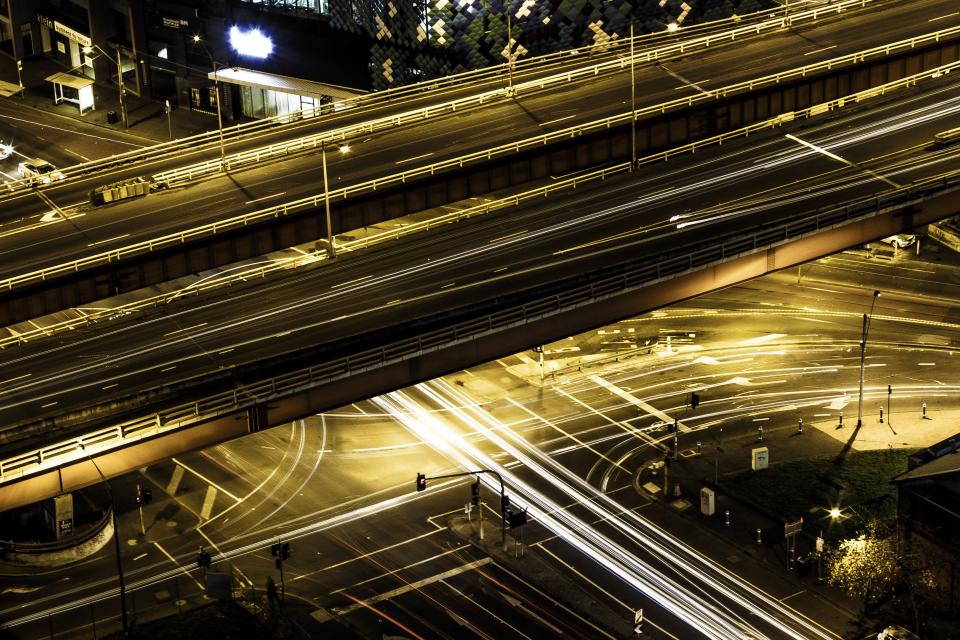
From June 13th to 17th, 2016, Vanesa Castán Broto and I co-organized the workshop “Critical Perspectives on Urban Infrastructure: Drawing Out a Progressive-Oriented Agenda”, held at University College London between the Development Planning Unit (DPU) and the Institute of Advanced Studies (IAS). The workshop brought together early-career scholars working across geography, anthropology, urban studies, planning, and political ecology to reflect critically on the infrastructures that shape contemporary urban life.
The workshop emerged from a shared concern: while infrastructure has long been treated as a technical backdrop to urbanization, it has increasingly become central to political struggle, social differentiation, and visions of urban futures. Roads, dams, energy systems, and digital networks are not merely functional systems; they are sites where power is exercised, inequalities are produced or contested, and ideas of progress are made visible. Our aim was to provide a space to think with infrastructure—analytically, politically, and comparatively—while foregrounding progressive and justice-oriented perspectives.
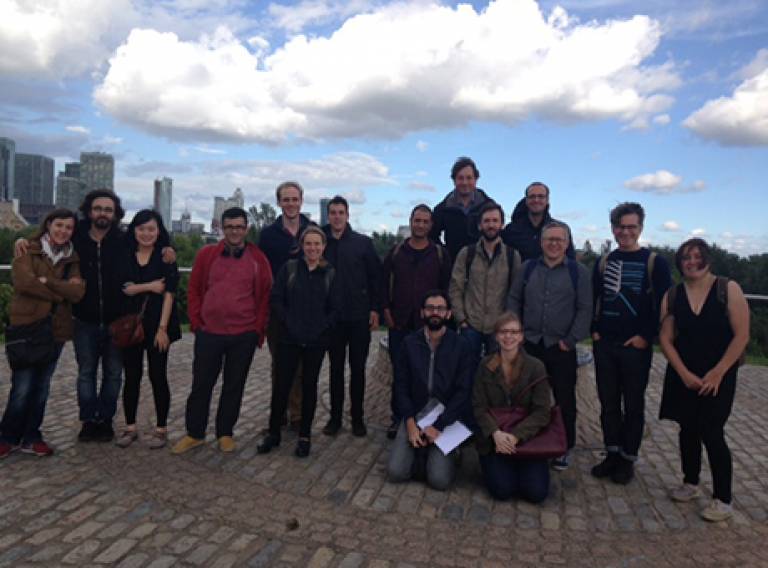
The event was organized as part of the UK ESRC-funded research project Mapping Urban Energy Landscapes, and it benefited from the broader intellectual environment at UCL, particularly debates around urban sustainability, critical development studies, and interdisciplinary methods. Rather than producing a single, unified framework, the workshop was intentionally exploratory. We wanted to ask what it might mean to develop a critical agenda for infrastructure studies that remains attentive to everyday life, uneven urbanization, and historically situated forms of power.
Across several days of discussion, participants addressed a wide range of themes. These included the everyday experience of infrastructure and its entanglement with social reproduction; the role of infrastructure in producing urban conflict and exclusion; the symbolic and ideological work performed by large-scale projects; and the spatial fragmentation of cities through uneven provision and access. Particular attention was paid to infrastructures as both material systems and political imaginaries—objects that promise futures while often displacing costs onto marginalized populations.
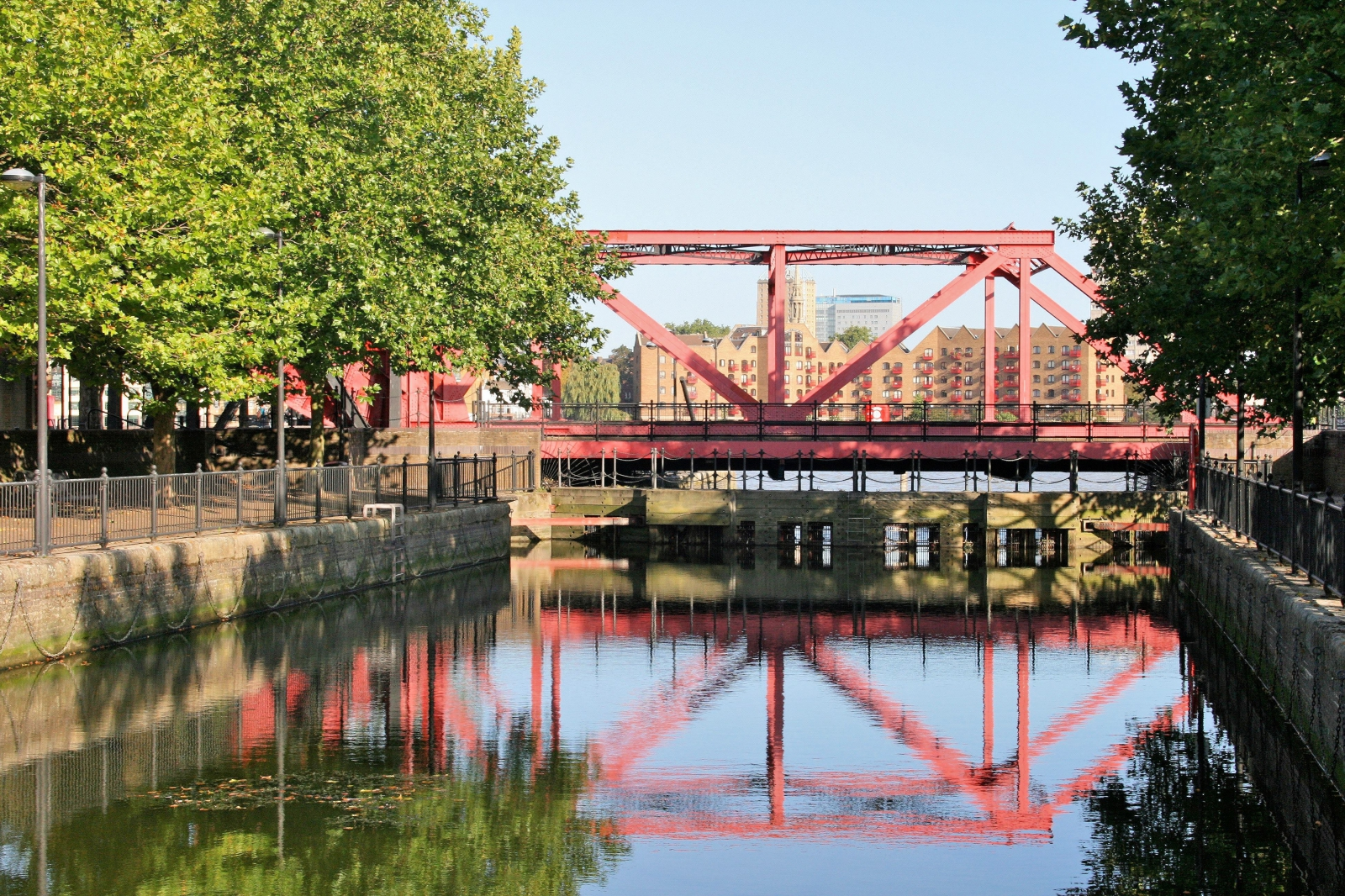
Empirical case studies played a central role in grounding these discussions. Presentations examined electricity provision and informality in Nairobi; mega-infrastructure and nationalist symbolism in Turkey and India; smart urban technologies and forms of control in US cities; and energy transitions in cities of the global South. Together, these cases highlighted how infrastructures are deeply embedded in local histories and struggles, even as they are shaped by transnational flows of capital, expertise, and governance models.
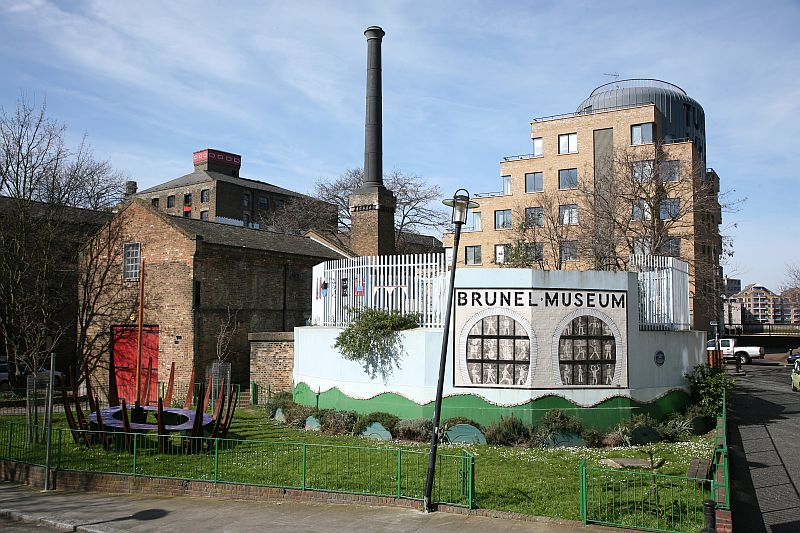
The workshop also included a field visit to the Brunel Museum and the Rotherhithe area, which offered an opportunity to reflect on Victorian infrastructure as a historical archive of urban transformation. Walking through the Thames Tunnel site allowed us to discuss how infrastructures endure, are reinterpreted, and become implicated in contemporary processes such as heritage making and gentrification. This excursion reinforced one of the workshop’s recurring insights: infrastructures never simply disappear; they accumulate meanings, memories, and political claims over time.
Rather than aiming for immediate publication outputs, the workshop functioned as a network-building and agenda-setting space, particularly for early-career researchers. Many of the conversations initiated during these days later informed journal articles, book projects, and collaborative research on urban energy, climate urbanism, mega-projects, and infrastructural politics. In that sense, the workshop’s impact was less about producing a single outcome than about contributing to a growing, interdisciplinary field of critical infrastructure studies.
Looking back, the workshop sits at an important moment in the consolidation of infrastructure as a key analytical lens across the social sciences and humanities. It anticipated debates that have since become central: infrastructure as a site of extraction and accumulation, as a medium of governance and affect, and as a terrain for political contestation and alternative futures. For me personally, it also marked an early step in thinking through infrastructure not only as a technical or economic system, but as a cultural and political form—an approach that continues to inform my work on mega-projects, heritage, and state power.
I remain grateful to all participants for the generosity of their engagement, and to UCL’s DPU and IAS for providing an institutional space where critical, interdisciplinary conversations could unfold. The questions raised during the workshop—about justice, power, and the futures promised by infrastructure—remain as urgent today as they were then.


You must be logged in to post a comment.