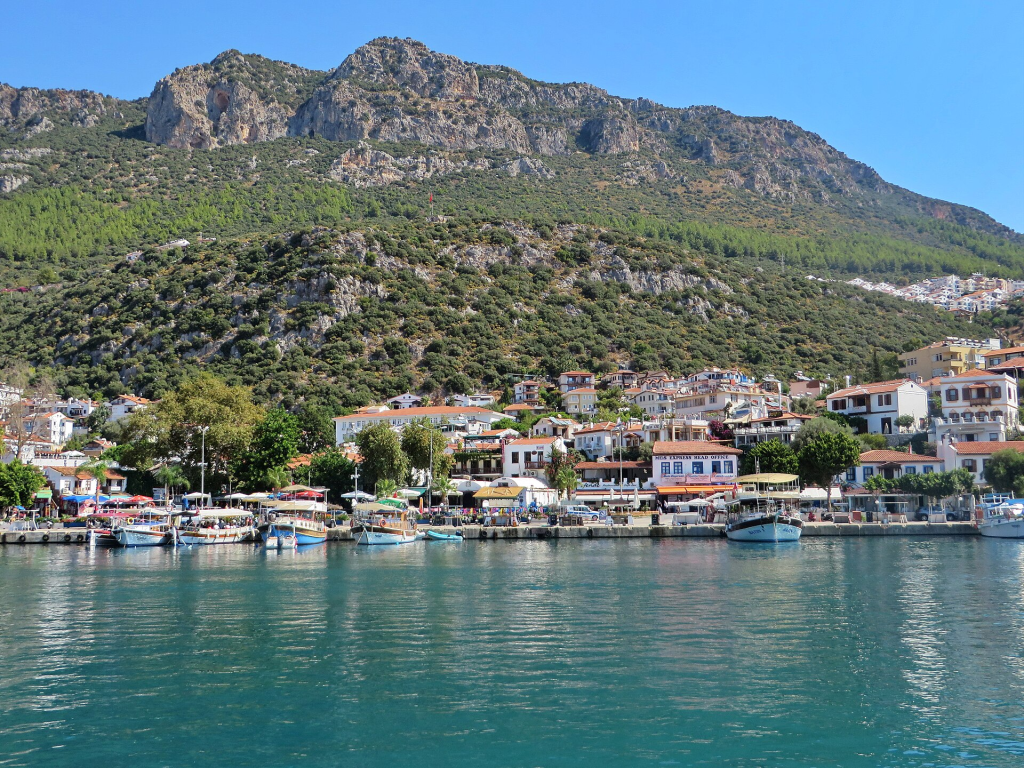
Today, Kaş is often described as the jewel of the Turquoise Coast. White houses tumble toward the harbor. Dive boats line the quay. Boutique hotels and cafés spill onto narrow streets. It feels established, confident, settled in its identity as a Mediterranean destination. But when anthropologist Michael Ruhland wrote about Kaş in 1995, in the volume Turquie de Rêve… Turquie d’Exil, he was documenting “a small town submerged by tourism.” What struck me most in revisiting his work, however, is not just the rise of tourism, but what quietly disappeared alongside it: the back-and-forth between the mountains and the sea.
A Town That Wasn’t Only Coastal
Before the 1980s, Kaş was not a year-round seaside town in the way we imagine it today. It was part of a vertical world that connected the Mediterranean shore to the high plateaus more than 1,200 meters up in the Taurus Mountains. Families did not stay put by the harbor. In summer, they moved to the yaylas. There, they farmed, kept cattle, baked bread, practiced trades. The mountain air was cooler, the land more suitable for grazing and subsistence agriculture. When winter came, they returned to the coast. Fishing, olive harvesting, and gathering wild herbs filled the colder months.
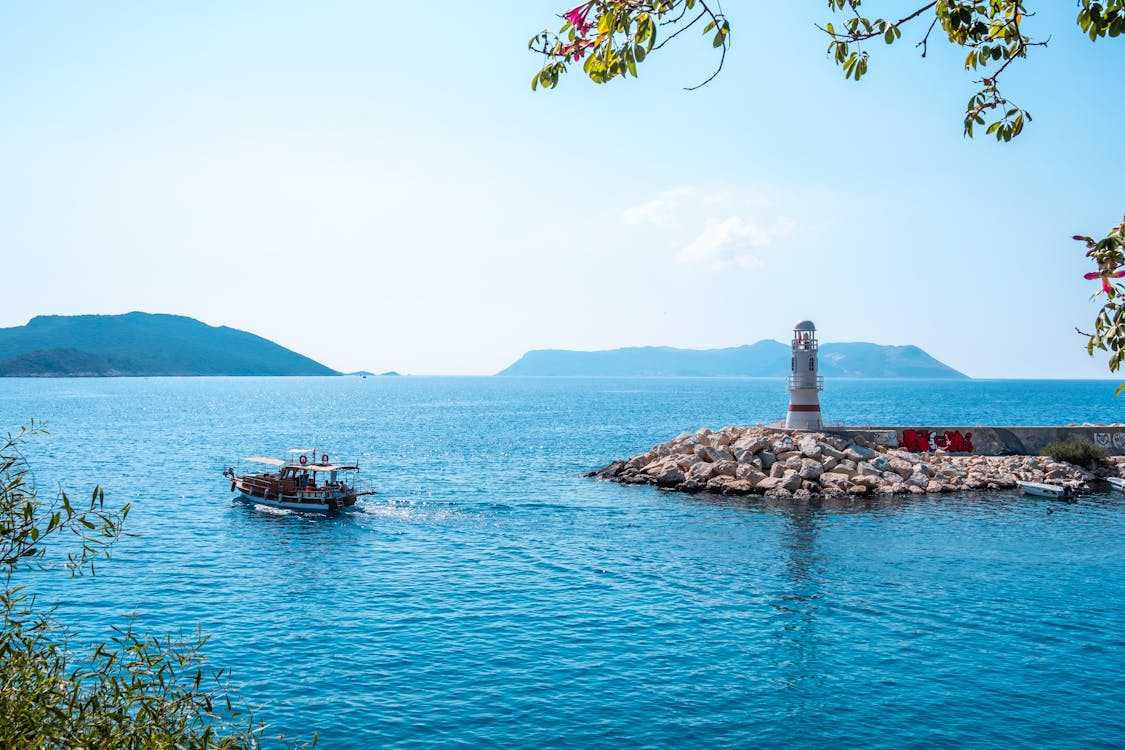
Life followed this rhythm. The coast was not the center of everything. It was one part of a larger cycle. There were no asphalt roads reaching Kaş by the seaside. The few tourists who came usually arrived by boat. A handful of fish restaurants and small pansiyons served visitors, but tourism was secondary. The town was not oriented toward them.
Then the Road Arrived
What changed, Ruhland shows, was not simply the arrival of tourists, but the arrival of infrastructure. In the late 1970s and early 1980s, water canals were installed. Electricity was connected. The coastal road was paved. Nearby, the Çukurbağ Peninsula was developed with state-backed hotels. Dalaman Airport was completed, Antalya Airport expanded. Suddenly, Kaş was no longer remote.
In 1985, British travel agencies began bringing large groups of foreign visitors. Developers from Fethiye, Antalya, İzmir, and Istanbul bought land and built hotels, replacing locally run pansiyons. Construction accelerated. The harbor changed. Stone and wooden houses gave way to concrete buildings. Tailors, barbers, cobblers, and grocers were replaced by souvenir shops, jewelry stores, carpet sellers, and travel agencies. Kaş did not slowly drift into tourism. It was quickly integrated into it.
When the Back-and-Forth Became Impractical
The most significant change, however, was less visible than new buildings. As tourism intensified, the economic logic of the town shifted. The coast became the place where money was made. Property prices rose. Seasonal service jobs tied people to the harbor. Maintaining homes in both the mountains and the seaside became harder to justify — financially and practically.
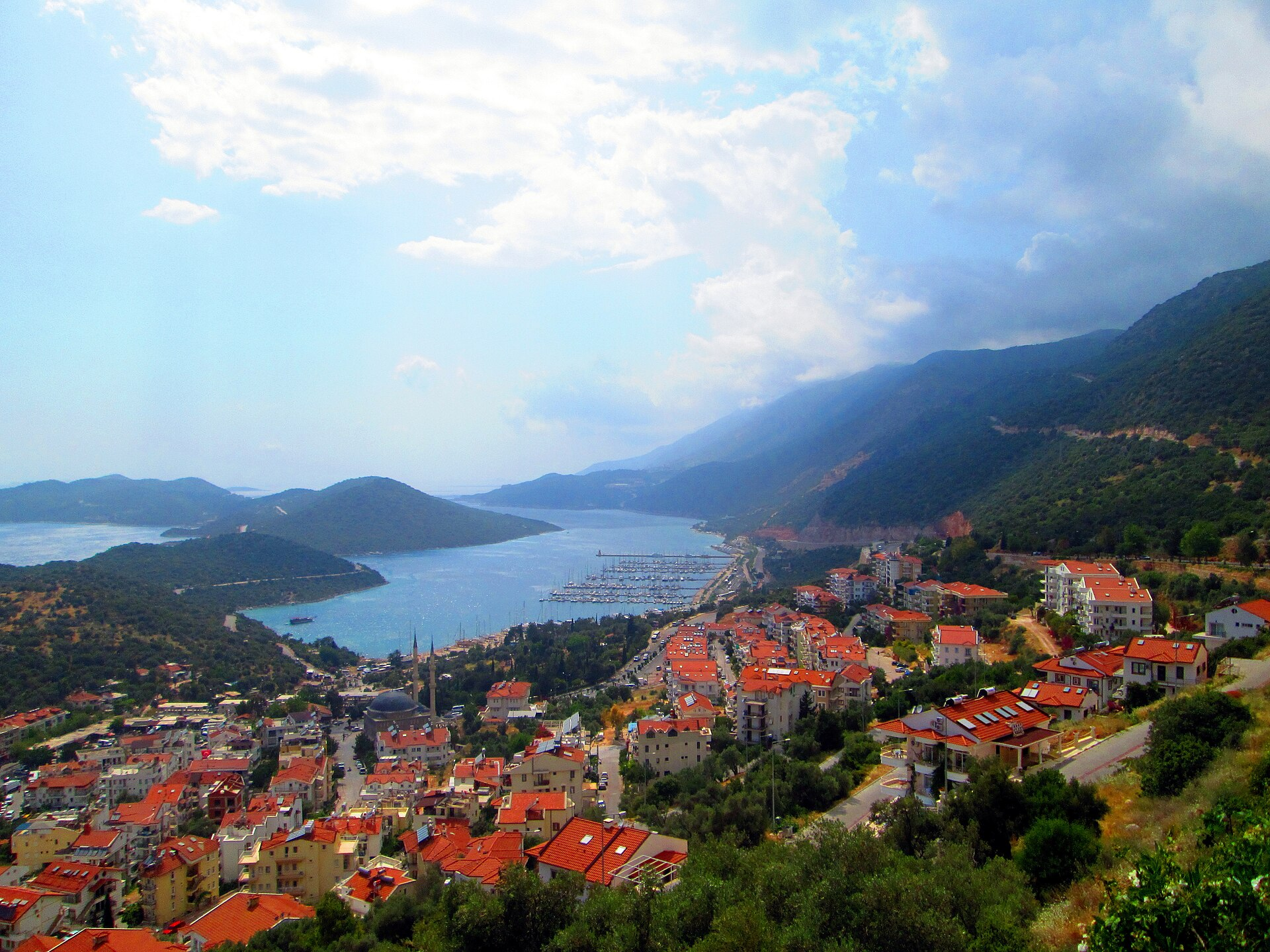
Gradually, the old pattern of moving between yayla and coast weakened. Some families returned permanently to the plateau. Others left the region altogether. Younger generations found fewer reasons to continue subsistence farming when work in tourism promised steady cash income. There was no official decision to end the back-and-forth. It simply became unnecessary — and then unrealistic. The yayla did not disappear. But it stopped structuring everyday life in the way it once had.
Even Tourism Wasn’t Equal
Ruhland also notes that not everyone benefited equally from the new economy. In the early 1980s, local boat owners organized trips to nearby beaches and to the partially submerged ruins near Kekova. By the end of the decade, larger Istanbul-based agencies controlled the more profitable sailing routes. Local captains were pushed toward shorter, cheaper excursions and eventually formed a cooperative to survive. Tourism brought opportunity — but also dependency and competition from outside investors.
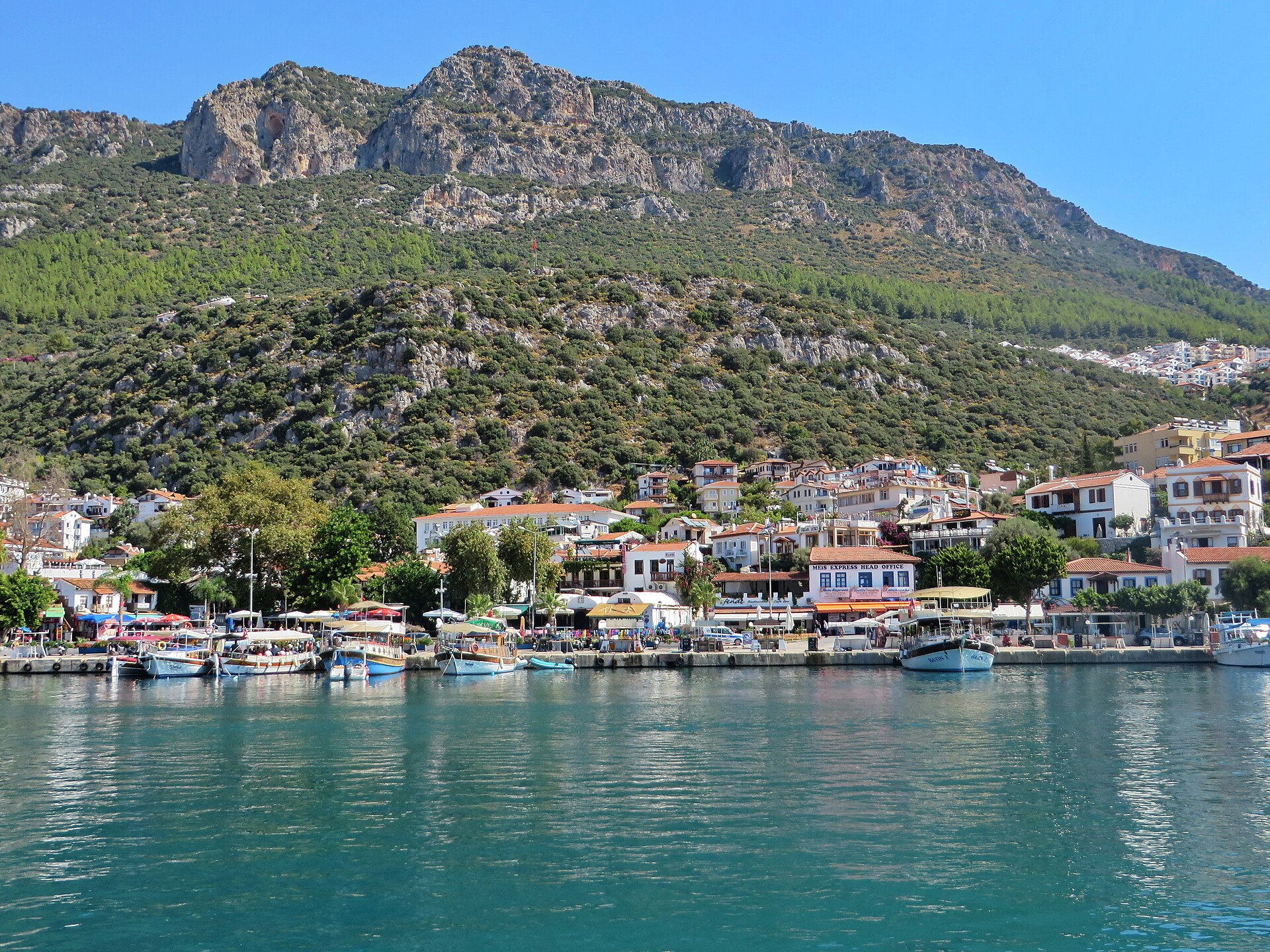
Walking through Kaş now, it is difficult to imagine that it once functioned as part of a mountain–sea cycle. The town feels firmly anchored to the coast. Tourism is not seasonal in the old sense; it defines the year. Real estate prices are high. Dive tourism thrives. Lifestyle migrants have settled permanently. Ruhland’s work is powerful because it captures the moment before this became normal.
He reminds us that Kaş was once organized differently — not only economically, but spatially. It belonged as much to the plateau as to the harbor. The disappearance of the yayla–seaside rhythm was not dramatic, but it was decisive. A flexible, seasonal way of inhabiting the landscape gave way to a fixed, tourism-oriented existence. What his chapter preserves is not nostalgia, but memory: the knowledge that Kaş’ present identity is relatively recent. The quiet end of the back-and-forth between mountain and sea marks one of the most profound transformations in the town’s history.
Reference: Michael Ruhland, “Kaş – Une petite ville submergée par le tourisme,” in Gaby Fierz, Anne-Lise Hilty, and Marion Mordey, eds. Turquie de rêve… Turquie d’exil (Paris: L’Harmattan; Geneva: CETIM, 1995): 45-66.


You must be logged in to post a comment.