Read a full version of this text here: “From Shining Icons of Progress to Contested Infrastructures” in Contested Spaces in Contemporary Turkey, edited by Fatma Müge Göçek.
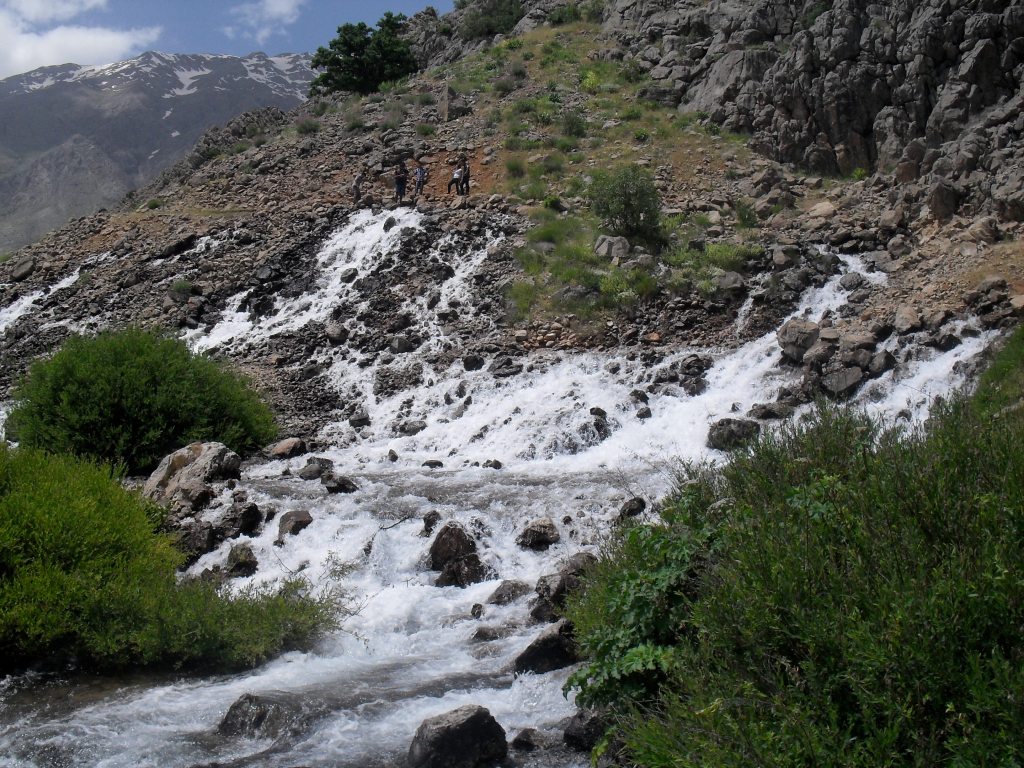
The Munzur Valley, in eastern Turkey’s Tunceli Province, is a landscape both ecological and symbolic—a place where river, mountain, religion, and memory converge. The confluence of the Munzur and Pülümür rivers near Tunceli, known locally as Jara Gola Çetu, is revered by many as sacred. Its waters, mountains, and valleys are at the heart of Alevi culture, community life, and ancestral identity. But this landscape has been repeatedly threatened by the very concept of development inscribed in stone and concrete by large dam projects.
A Valley Under Threat: Hydropower and the Limits of Protection
Plans to dam the Munzur River extend back decades. Eight hydroelectric dams have been proposed along its length, some within the boundaries of Munzur Valley National Park, established in 1971 to protect one of Turkey’s most biodiverse regions. Two — Mercan (built 2003) and Uzunçayır (completed 2009) — already operate, reshaping river flows and inundating forests, meadows, and ancient trees.
The Valley’s legal protection has repeatedly failed to shield it from extraction-oriented infrastructure. Amendments to national park regulations in the early 2000s allowed private companies to lease protected land, effectively opening Munzur to dam construction despite official conservation status. The consequences have been profound: centuries-old plane and poplar trees now lie underwater, traditional herding and beekeeping routes have disappeared, and the intricate balance between humans and nature has been disrupted.
Why Build Dams That Destroy Nature and Culture?
If the environmental and social costs are so high, why pursue such projects? Critics point out that in aggregate, the energy produced by these dams is small compared to larger Turkish facilities like Keban or Atatürk dams. Yet, the financial stakes are significant, with billions invested and profits directed toward large construction consortia, often involving both Turkish and foreign companies.
But beyond economics, dams in regions such as Munzur serve deeper political functions. As physical markers of state power, they inscribe a particular form of modernity and territorial control into contested landscapes. In Tunceli—once known as Dersim—such infrastructure carries historical weight. In the aftermath of the 1938 Dersim Rebellion, state-led development projects became tools of integration and control, linking a rebellious highland to the national core through roads, utilities, and waterworks.
Resistance, Identity, and Cultural Continuity
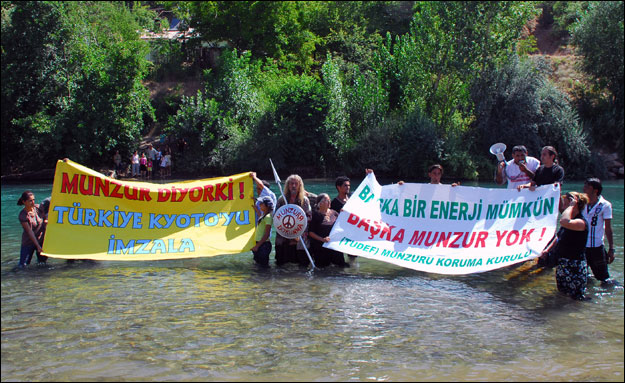
Local resistance emerged early and persists today. Tens of thousands marched against increased water levels behind Uzunçayır Dam, symbolizing broader rejection of externally imposed development. Community strategies have ranged from legal challenges to direct action—blocking machinery, camping by riverbanks, and using bodies to physically prevent construction.
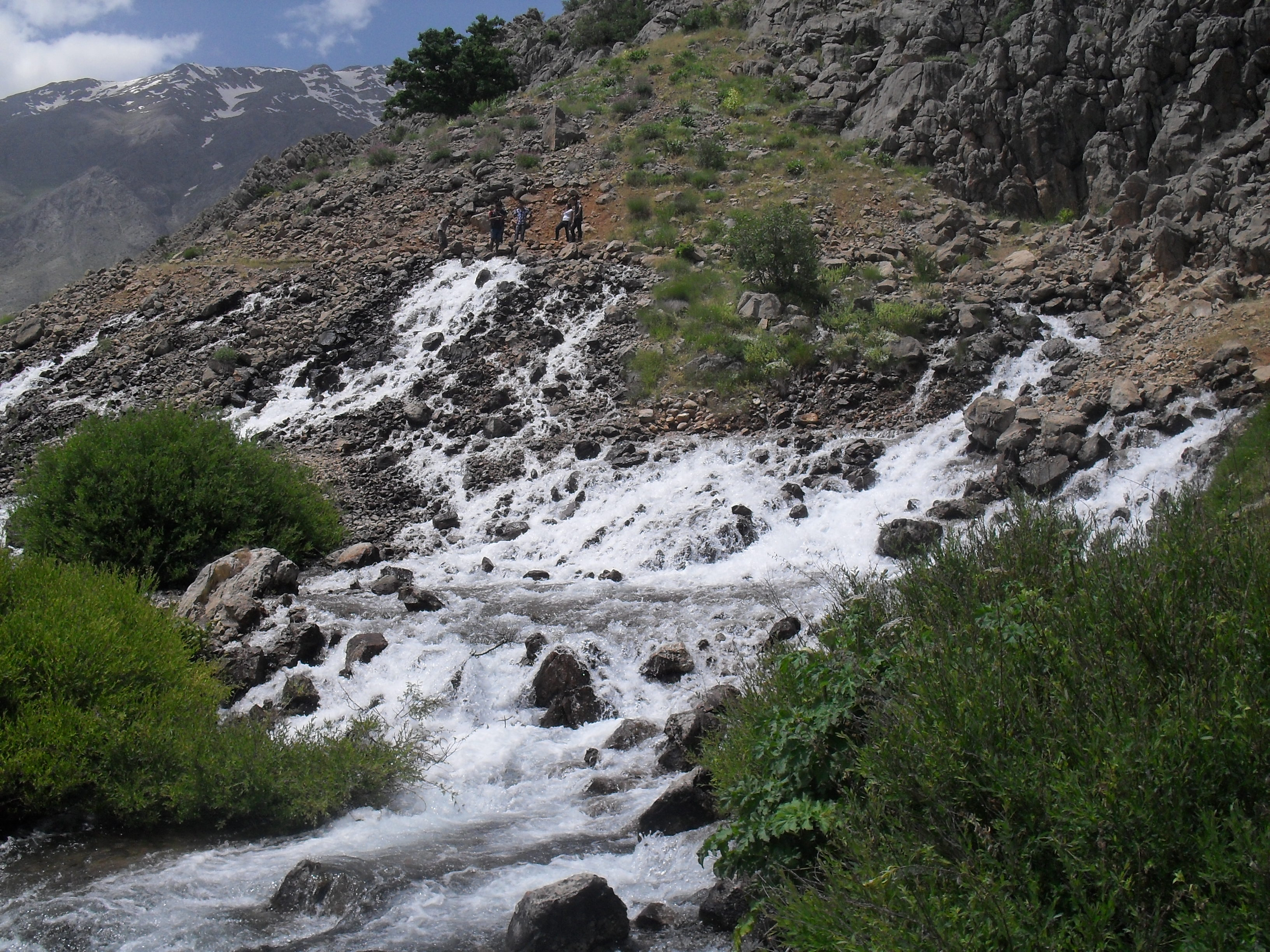
This resistance is informed not only by environmental concern, but by cultural and historical memory. The Munzur River is more than a resource; it is a living symbol of Alevi identity and Kurdish heritage. To alter its course is not simply to change a landscape, but to fracture the ties between place, memory, and community. Here, water is not a commodity but a vital artery in a living social and spiritual geography.
Beyond the Valley: Solidarity and Broader Struggles
The struggle to protect Munzur connects to larger environmental movements across Turkey. Anti-dam networks have aligned with activists defending places like Hasankeyf on the Tigris and the Fırtına Valley in the Black Sea region. Artists, lawyers, and civil society groups have joined farmers and local residents in solidarity campaigns, drawing attention to how infrastructure decisions affect human rights, ecology, and cultural continuity.
The story of dams in the Munzur Valley cannot be reduced to a technical debate over energy production. It is a story of contested infrastructures—of how state power, economic interests, and cultural identities intersect in profound ways. As the fight continues, Munzur stands as a reminder of the stakes involved when development is measured not simply in kilowatts, but in the survival of ecosystems, traditions, and ways of life.


You must be logged in to post a comment.