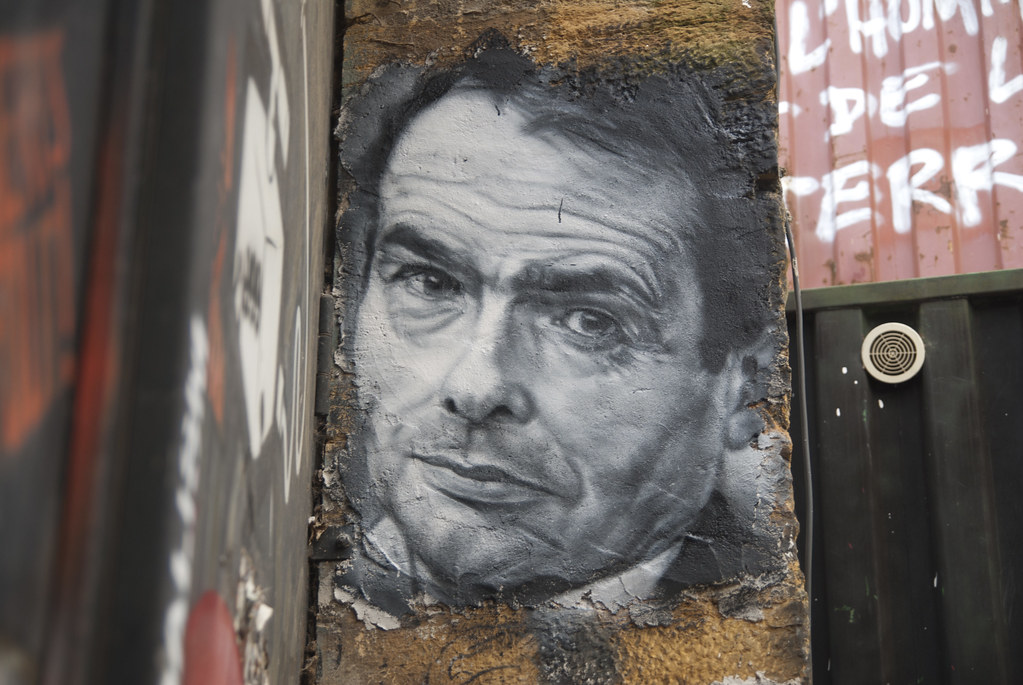
Pierre Bourdieu (1930–2002) is one of the most influential sociologists of the 20th century—yet in his native Béarn, in southwest France, he remains surprisingly little read. Born in Denguin and raised in Lasseube, Bourdieu’s life and work are deeply rooted in the social terrain of the region, even as his ideas have reshaped social science globally.
“Lire Bourdieu en Béarn” is a research and pedagogical initiative I coordinate with Abel Kouvouama at the Université du Temps Libre–Aquitaine (UTLA) and the Université de Pau et des Pays de l’Adour (UPPA). Its aim is simple but profound: to bring Bourdieu’s thought home to Béarn, make it accessible beyond academic circles, and reconnect his sociology to the landscapes and communities that shaped him.
Why Read Bourdieu in Béarn?
Bourdieu’s major works—Le Bal des Célibataires, Esquisse d’une théorie de la pratique, La Distinction—develop concepts that have become cornerstones of contemporary social analysis: habitus, field, and capital. But these concepts were not born in abstraction; they were forged through empirical engagement with real lives and practices. The Béarn of his youth—its schools, markets, churches, and family structures—provides an evocative backdrop against which his early reflections on social reproduction and class position came into being.
Despite this, Bourdieu is “very little read and even known” in Béarn itself—the very region that inspired so much of his early sociological imagination. Lire Bourdieu en Béarn seeks to change that.
A Community Course and Public Engagement
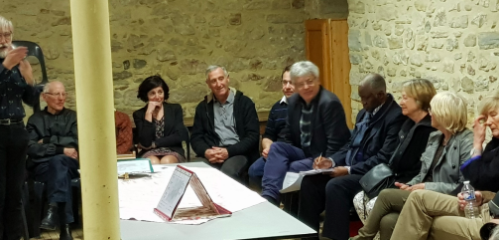
At its heart, the project accompanies a public course on Bourdieu’s work offered to learners of all ages and backgrounds. Rather than presenting Bourdieu as a distant intellectual figure, the course invites participants to engage with his texts directly, exploring how his key categories help us think about everyday life, culture, and power dynamics.
We read seminal texts and discuss concepts such as:
- Habitus – the internalized dispositions that shape how we perceive and act in the world.
- Field – structured social arenas (like education or art) where struggles over status and resources play out.
- Capital – forms of valued resources: economic, social, cultural, symbolic.
In doing so, we don’t just learn about Bourdieu—we learn with him, using his tools to understand the world around us.
Roots and Networks: PauSES and Local Sociology
The Association PauSES (Pau Sciences Économiques et Sociales) plays an important role in this landscape. For nearly two decades, PauSES has fostered sociological inquiry in Béarn, connecting local schools, UPPA, social organizations, and community actors in reflection on social life. It exemplifies how academic thought can circulate beyond the academy and contribute to collective reflection about our times.
Why It Matters
Re-reading Bourdieu in Béarn is not merely an act of local pride. It is an invitation to:
- Reopen foundational concepts for contemporary relevance—especially at a time when inequality, cultural stratification, and social reproduction remain pressing issues.
- Bridge scholarly and public audiences, demonstrating that theory can illuminate shared experience without remaining inaccessible.
- Reconnect intellectual inheritance with lived places, revealing how sociology emerges from and speaks back to the social worlds it studies.
For many participants, this project has become a space of collective understanding—a place where sociological tools help make sense of real life, and where the “classic” texts of social theory become vibrant again through discussion and community engagement.
Learn More
The Lire Bourdieu en Béarn website offers further resources, reflections, and readings that accompany our course and community activities. Visit the project online to explore essays, discussions, and links to key texts in Bourdieu’s work.


You must be logged in to post a comment.