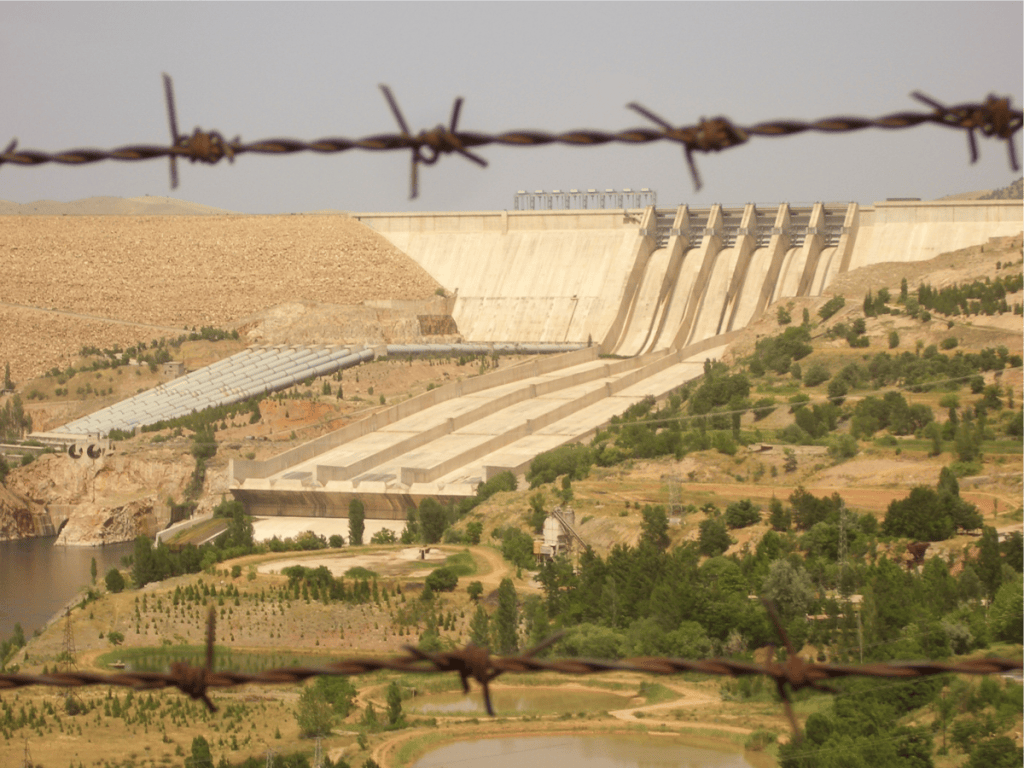
Keban Dam behind barbed wire, eastern Turkey.
Adapted from a paper presented on 20 October 2012; revised in October 2026.
Archaeological reports record what was found, how it was excavated and how the evidence was interpreted. They give less space to the uncertainty, improvisation and emotion through which fieldwork takes place. What happens to those experiences when an excavation becomes a scientific account?
I have been exploring this question through the rescue excavations undertaken before the flooding of the Keban reservoir in eastern Turkey. Teams worked to document sites that would soon disappear beneath water. Their reports preserve an extraordinary record of the region’s past, alongside scattered traces of the circumstances in which that knowledge was produced.
Excavation involves much more than digging. Archaeologists organise work, negotiate access, record discoveries, sort finds and decide how to use the time available. They also respond to weather, damaged equipment and unexpected changes on site. In rescue projects, such ordinary uncertainties meet a deadline imposed by construction and the rising reservoir.
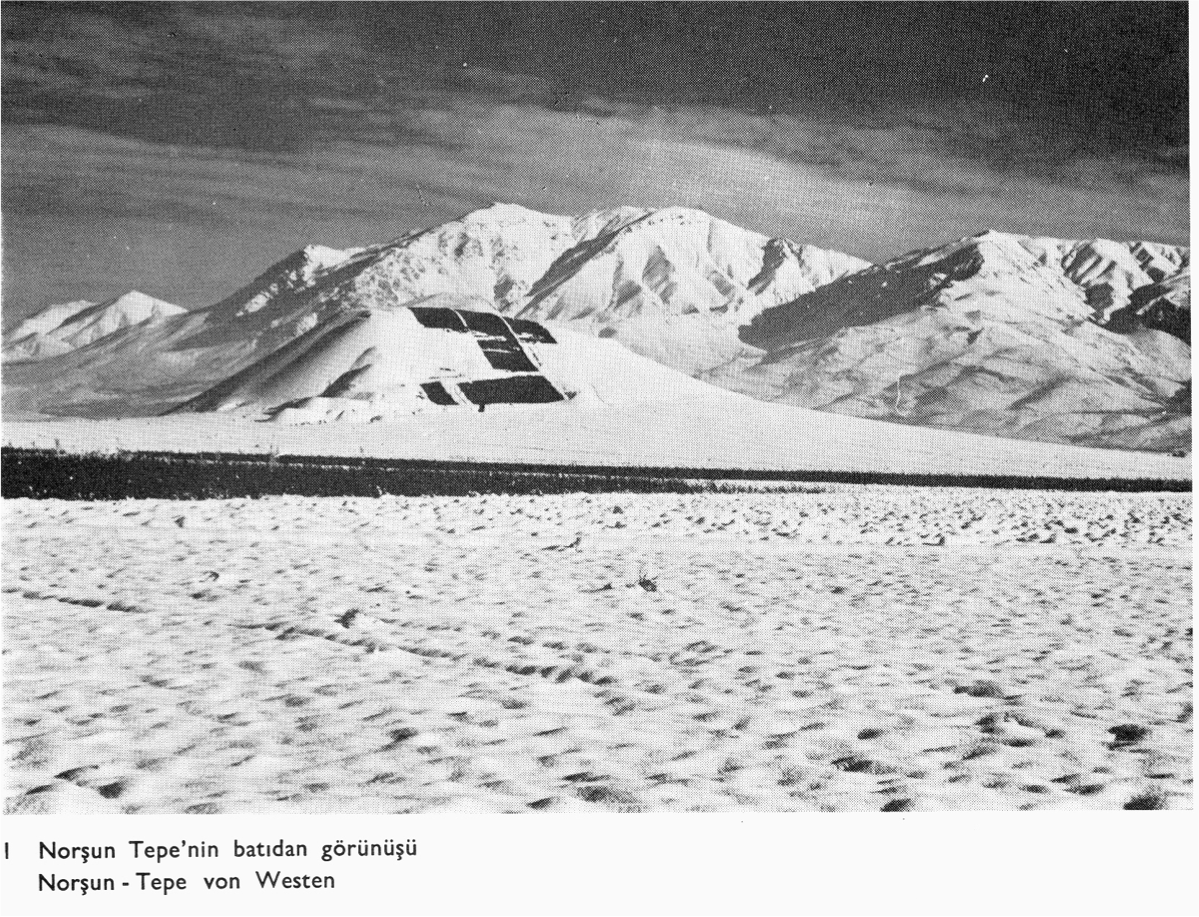
The final report rearranges these activities into an account that other researchers can assess. Drawings, photographs and descriptions show how a site was investigated and support the claims made about it. That process gives the excavation a lasting scientific form. It also leaves much of the experience of working there outside the frame.
Hayri Ertem’s account of the final stages of the Korucutepe excavation in 1975 makes this tension particularly clear (Ertem 1982, p. 10). As the reservoir rose, the mound became an island. The team and local workers reached it by motorboat and continued excavating, but water entered the trenches before the architectural remains could be fully exposed. Eventually, further work became impossible and the site had to be abandoned.
The passage uses the measured language of an excavation report. Its sequence of events nevertheless conveys urgency: the decision to begin work early, the improvised journey to the site, another attempt to uncover the remains and, finally, the interruption imposed by water. Technical prose carries traces of an effort that could no longer be completed.
Reading this account does not give us direct access to Ertem’s private feelings. It allows us to recognise the vulnerability of archaeological work and the investments that made its interruption matter. The report records the limits of rescue alongside its discoveries.
These traces have become important to my research. I read the Keban reports for the conditions of their production as well as for the evidence they contain. A footnote, an acknowledgement or a photograph can disclose relationships and difficulties that the main account leaves unexplained. Attention to these margins helps connect archaeological knowledge to the people who produced it.
The loss of an excavation site and the loss of a village were different experiences. They nevertheless occurred within the same transformed landscape. Archaeologists lost access to places they had worked to understand, while residents lost homes and livelihoods. The rescue archive gives these experiences very unequal space.
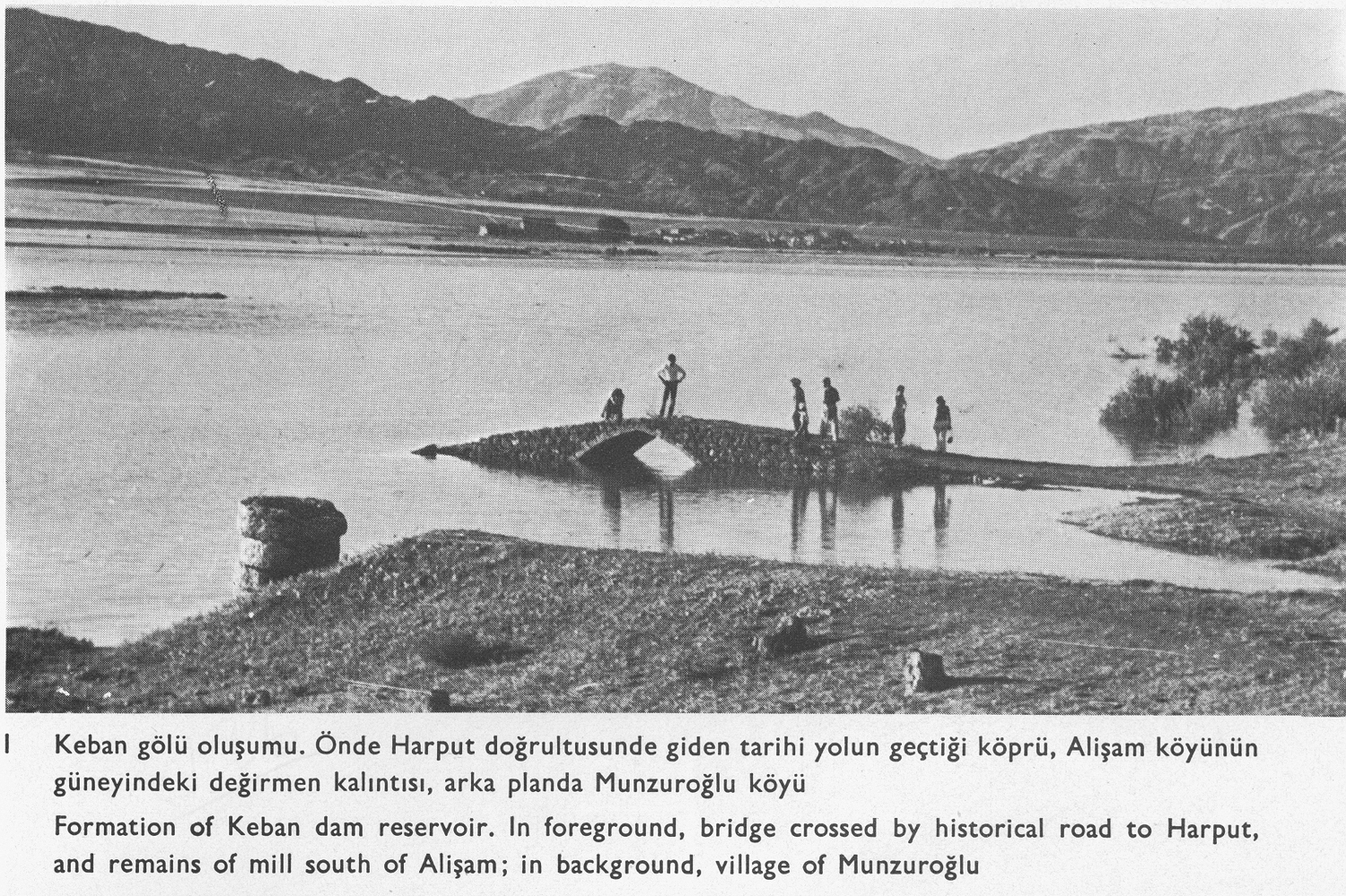
Following such traces cannot recover everything that the reservoir submerged. It can help us ask whose experiences entered the surviving record and what forms of loss its technical language makes visible. This question continues through my work on archaeological learning and in Submerged, my book project on rescue and historical erasure in eastern Turkey.
This essay revisits a paper presented at the 4S/EASST conference in Copenhagen on 20 October 2012, in the session “Emotions and Affects in Science: Communities, Spaces, and Bodies”.
Reference
Ertem, Hayri. 1982. “Korucutepe Excavations 1974–1975”. In Keban Projesi 1974–1975 Çalışmaları / Keban Project 1974–1975 Activities, pp. 7–11 (English text; passage discussed on p. 10). METU Keban Project Publications, Series I, No. 7. Ankara: Middle East Technical University.


You must be logged in to post a comment.